
A plain comparison of draw schedules, down payments and approval steps for new builds, additions and major remodels.
Paying for a big project usually means choosing between construction loans and renovation loans. Both release money as work progresses, but they are designed for different projects. Knowing how each works helps you talk to lenders and plan your budget.
How Construction Loans Work
Construction loans fund the building of a new home or a major rebuild. Instead of a lump sum, the lender releases money in draws as stages of work are completed and inspected. During construction you often pay interest only on the amount drawn. Many construction loans convert to a standard mortgage when the home is finished, known as a construction-to-permanent loan.
How Renovation Loans Work
Renovation loans finance improvements to a home you are buying or already own. The loan amount is often based on the home’s expected value after the work is done. Funds are held in an account and released to the contractor as work is completed.
Construction Loans vs. Renovation Loans: Key Differences
- Project type: construction loans suit new builds and complete rebuilds; renovation loans suit remodels, additions and repairs.
- Collateral: construction loans are based on land and planned construction; renovation loans are based on an existing home plus improvements.
- Paperwork: both require detailed plans, a contractor bid and a draw schedule, but construction loans usually require more documentation.
- Down payment: requirements vary by lender and loan program, so compare options early.
Which Loan Fits Your Project?
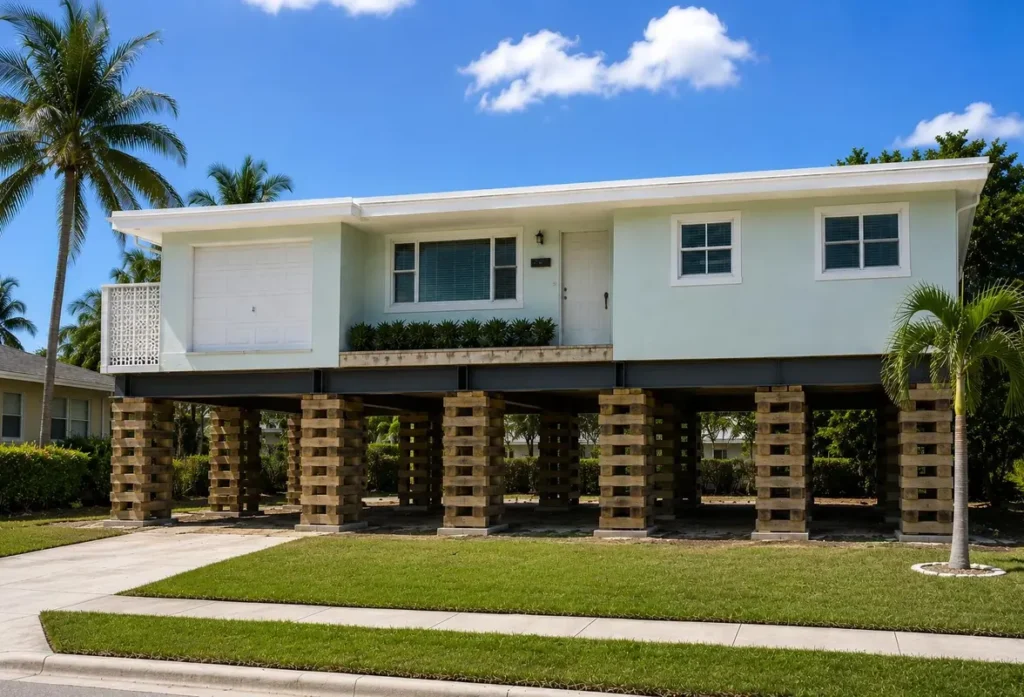
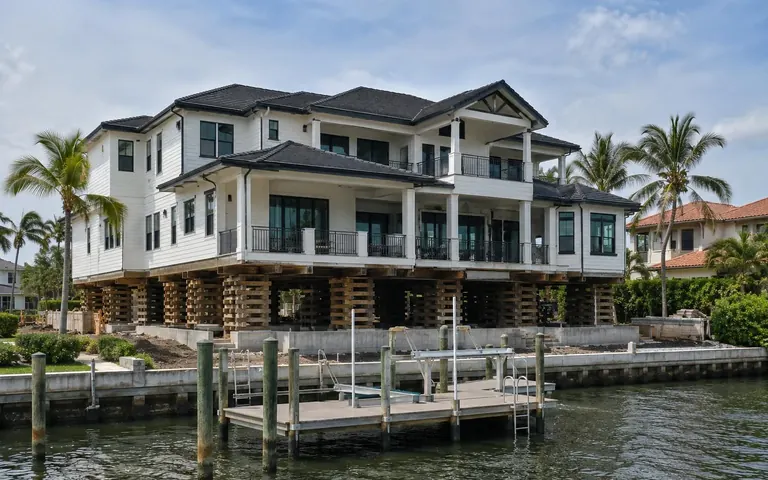
If you are building on a vacant lot or tearing down and rebuilding, construction loans are usually the right fit. If you are adding a room, remodeling a kitchen or elevating an existing home, a renovation loan may cost less and close faster. Your lender will confirm what you qualify for.
Preparing for Construction Loans and Renovation Loans
- Get a detailed, itemized contractor estimate and plans.
- Agree on a draw schedule that matches the stages of work.
- Keep a contingency for unexpected costs.
- Choose a licensed, insured contractor your lender will approve.
Our financing page explains how we work with lenders and draw schedules, and our new construction and renovations pages show the projects we build.
Every Tampa Bay property is different, so the best next step is a site visit and a written, itemized plan. Contact SBR Construction for a free consultation.