Fast, safe steps that limit mold and structural damage before the restoration crew arrives at your Tampa Bay home.
Water damage from a storm, burst pipe or appliance leak spreads quickly. Mold can begin growing within 24 to 48 hours, and soaked materials keep wicking moisture into walls and floors. What you do in the first two days has a big effect on the cost and length of repairs.
Stay Safe Before Dealing With Water Damage
- Turn off electricity to affected areas if you can do so safely, or call an electrician.
- Avoid standing water that may touch outlets or appliances.
- Wear boots and gloves, especially if floodwater may be contaminated.
- Leave the home if there is structural damage, sagging ceilings or a gas smell.
Stop the Source of Water Damage
Shut off the main water valve for plumbing leaks. For storm damage, cover roof openings or broken windows with tarps or boards once it is safe.
Document Everything for Insurance
Take photos and video of every affected room, damaged belongings and the water source before moving anything. Note dates and times. Contact your insurance company as soon as possible and keep receipts for any emergency expenses.
Start Drying Within 48 Hours
- Remove standing water with pumps, wet vacuums or mops.
- Move furniture and belongings to a dry area.
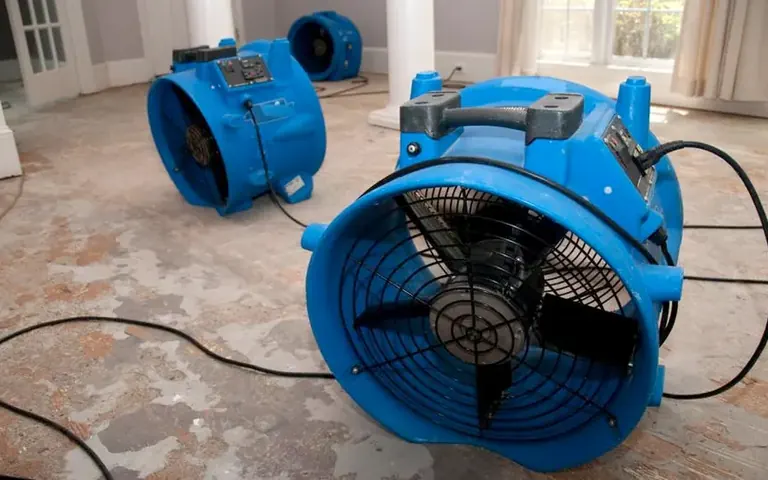
- Open windows when outdoor humidity allows and run fans and dehumidifiers.
- Pull up soaked rugs and remove wet padding.
Prevent Mold After Water Damage
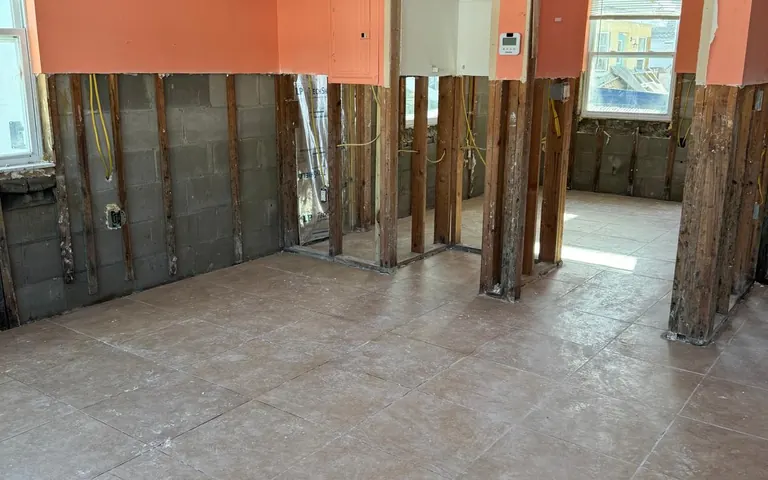
Wet drywall, insulation and carpet padding often need to be removed to dry wall cavities fully. Professional moisture meters find water you cannot see. If materials stay wet beyond two days, mold growth becomes much more likely.
When to Call a Professional
Call a restoration contractor if water has soaked walls or floors, came from floodwater or sewage, or if you see signs of structural damage. Professionals bring commercial drying equipment, document moisture levels for your insurer and plan permanent repairs.
Learn how we help homeowners recover on our water restoration and repairs page.
Every Tampa Bay property is different, so the best next step is a site visit and a written, itemized plan. Contact SBR Construction for a free consultation.